
You Have No Enemies: Thors' Philosophy
An essay connecting Thors' ethics with stoicism and modern tools for conflict resolution.
Welcome to Vinland Saga Philosophy, a space dedicated to exploring the ethical, existential, and human depths of Makoto Yukimura's masterpiece. Through our in-depth analyses, we unravel the journey of its characters from the violence of the 11th century toward the search for a utopia without enemies. Here, Viking history intertwines with stoicism, religion, and the eternal struggle for true freedom.
An essay connecting Thors' ethics with stoicism and modern tools for conflict resolution.

Analysis of determinism, ambition, and the invisible chains of society according to Askeladd's vision.
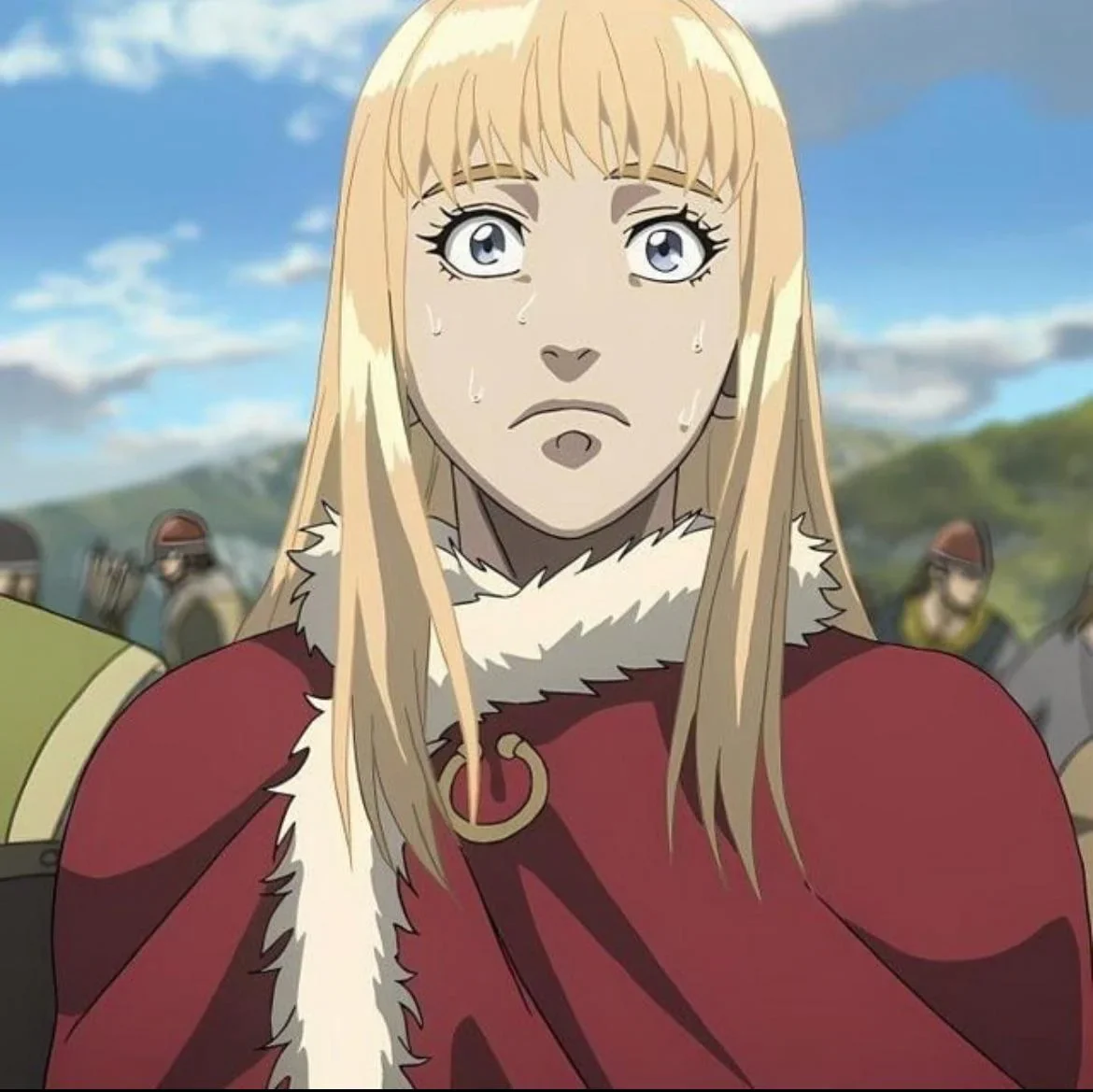
Analysis of universal love vs. selective love (Agape vs. Eros) and Canute's transformation into a King.

Analysis of utopia, survivor's responsibility, and the construction of peaceful communities according to Thorfinn.

Analysis of the warrior's loneliness, the Berserkergang, and personal loyalty in a world of violence.
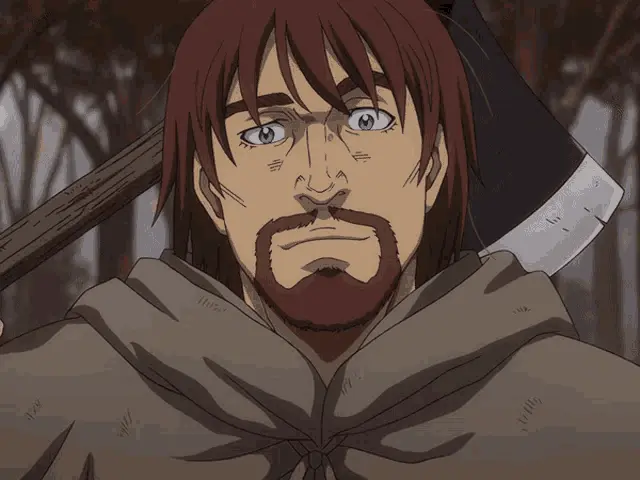
Analysis of redemption, the value of manual effort, and the construction of a new concept of home.

Explores warrior nihilism and why brute force fails to fill the spiritual void of the strong.

Analysis of the sermon on universal love (Agape) and the perfection of death as a state of pure surrender.

Analysis of fake strength, impostor syndrome, and the fear of one's own cowardice on Ketil's farm.

Psychological analysis of Olmar: the search for identity and the fear of failure in a world of warriors.
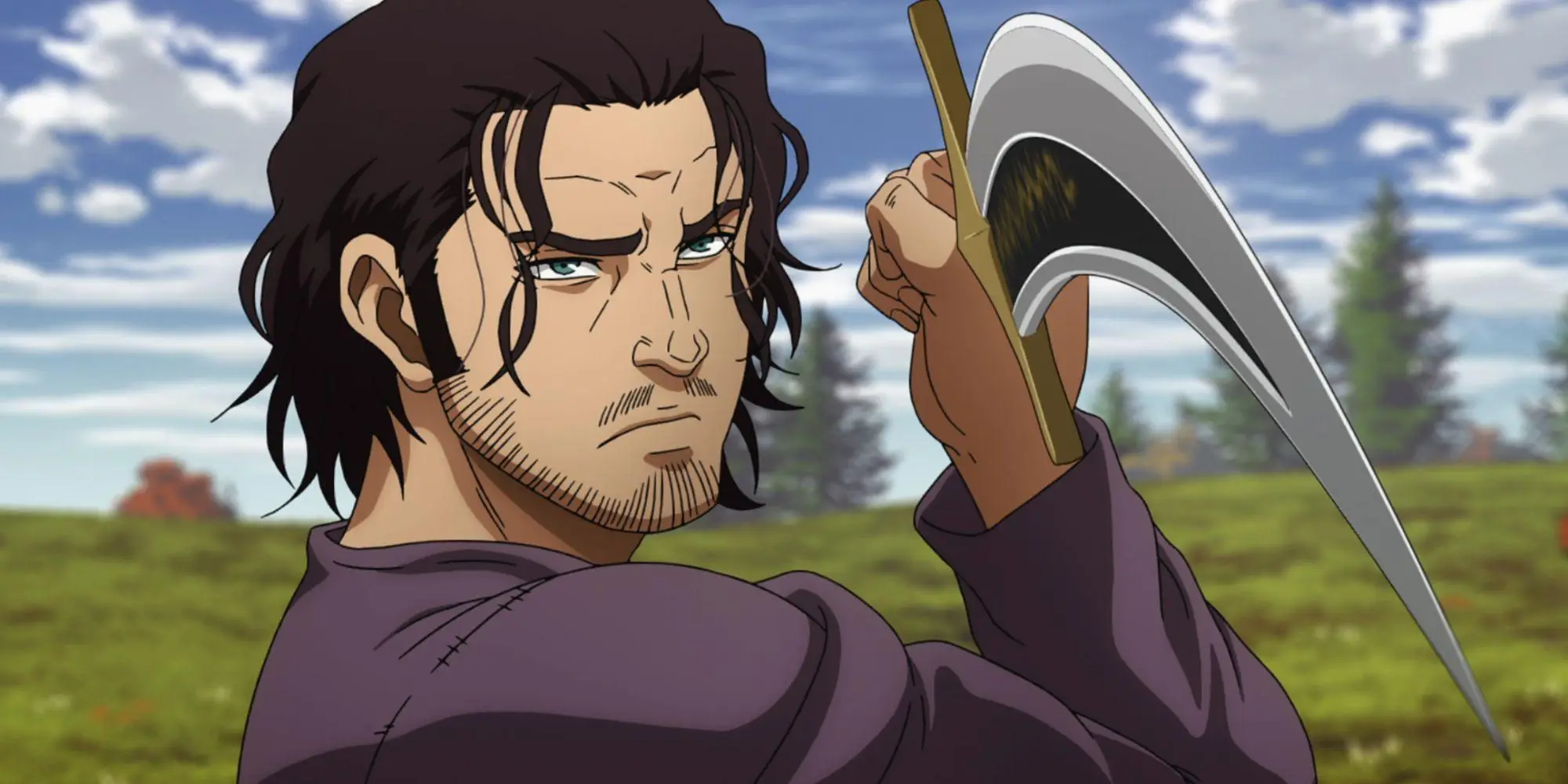
Analysis of Snake's lesson to Thorfinn: why the sword is a false metric for human value.

Analysis of Thorgil's brutal realism: Is violence the natural state of man or just a fragile truce?
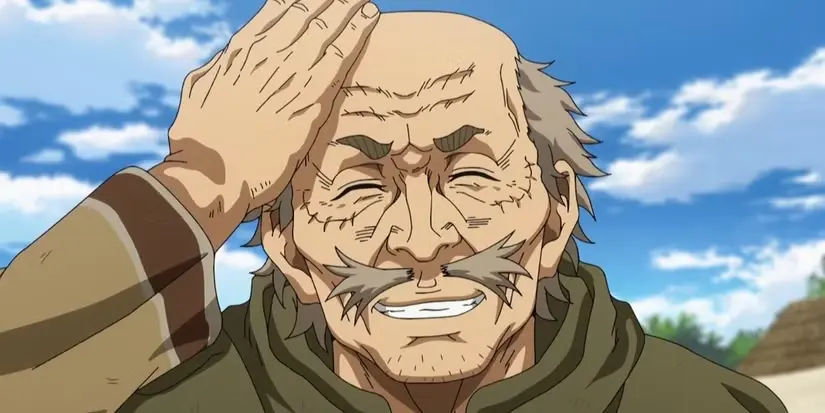
Analysis of Leif's unwavering loyalty: What does it mean to keep a promise for decades to rescue a lost soul?

An analysis of Askeladd's twins: How does war transform blood ties into tools of control and primal fear?

An analysis of Canute's tutor: Is paternal love an obstacle to forging a true leader in times of war?
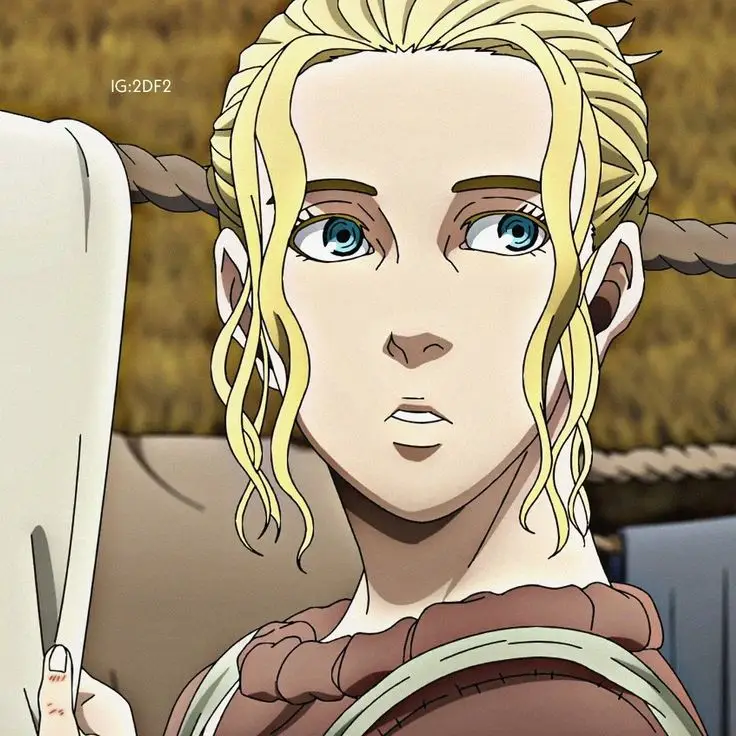
An analysis of slavery and trauma: How the pain of the innocent becomes the catalyst for building a land without war?

An analysis of alienation and trauma: What remains of a man when war strips away his home and his identity?

An analysis of self-sufficiency and peace: Why does true freedom consist in owning nothing more than what you can work with your own hands?

An analysis of power and order: Is it possible to build a paradise on earth through the use of violence and absolute control?

An analysis of the nature of power: Does the monarch control the empire, or is it the crown that eventually devours the man?